
On World Mental Health Day and the quiet loneliness of being left out
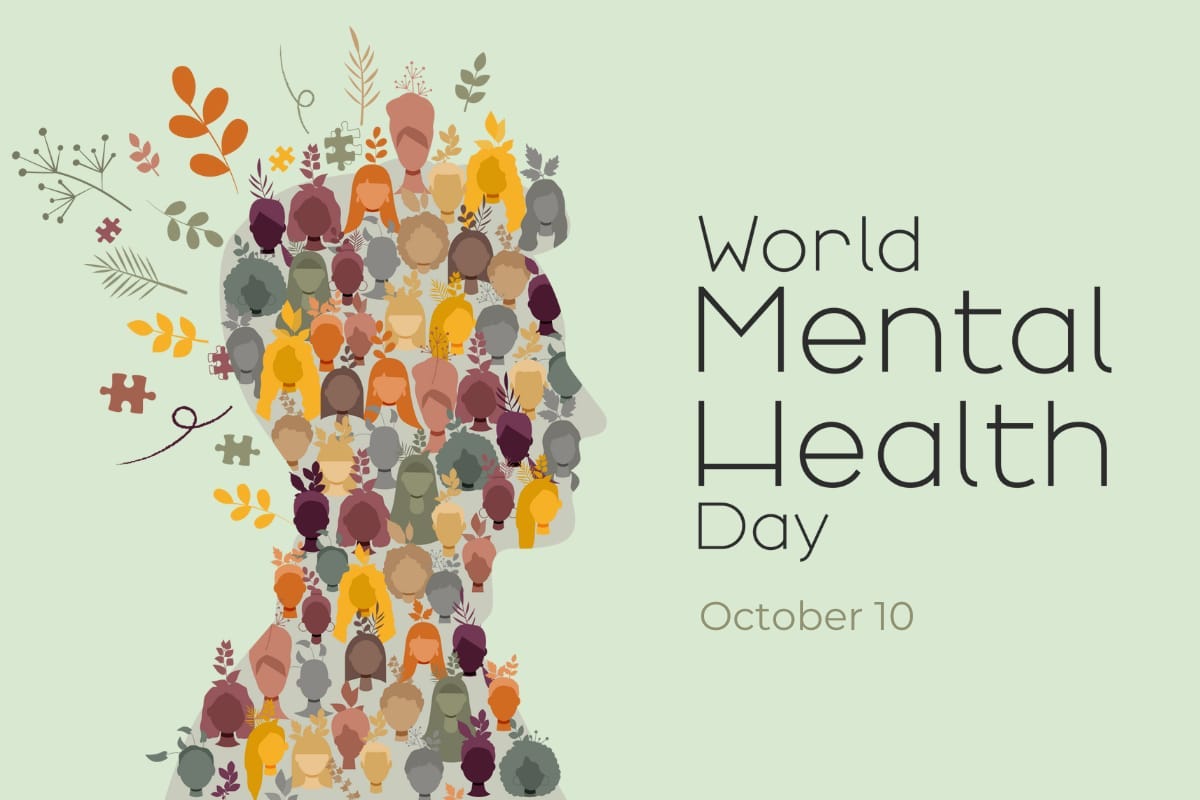
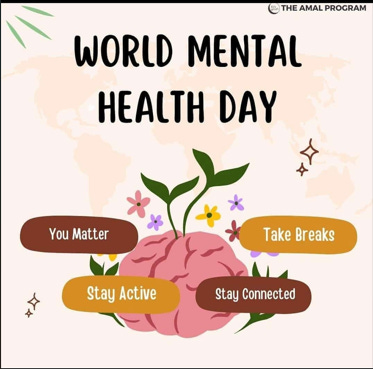
Friday, 10 October, was World Mental Health Day.
I’ve had this date etched somewhere deep in my subconscious since 2005, the year I began working with an NGO focused on mental health advocacy.
This year, as I reflected, I was reminded of how the smallest acts of connection, or disconnection, can shape our emotional wellbeing. As we begin the countdown to the 2026 anniversary of World Mental Health Day, I thought to sh-AIR my thoughts.
A few weeks ago, a friend mentioned she was having a family over for lunch — a couple we both knew. She’d told me about similar gatherings before, and once even picked me up to go shopping with her in preparation. I happily tagged along, choosing napkins and treats for people I wouldn’t meet.
You see, I would have loved to be included in any of those lunches. We were/are all friends, and we are/were pretty close, from my standpoint. I also assumed they enjoyed my company because our conversations were frequent and warm. So it took Mee by surprise that the thought of inviting me never crossed her mind.
And because concealed wounds fester, and feelings can’t be trusted, I decided to speak up: gently, and in love…
“Speaking the truth in love” I asked her, half-joking, half-aching:
“Why didn’t you think I liked food enough to come over for an actual lunch?”
She blinked and stuttered, and I could see the moment the realization hit her face, before words could.
“Oh, why not! You can come tomorrow,” she said quickly. “Join the XYZ family!”
I smiled and said, “Thanks… but no, thank you.”
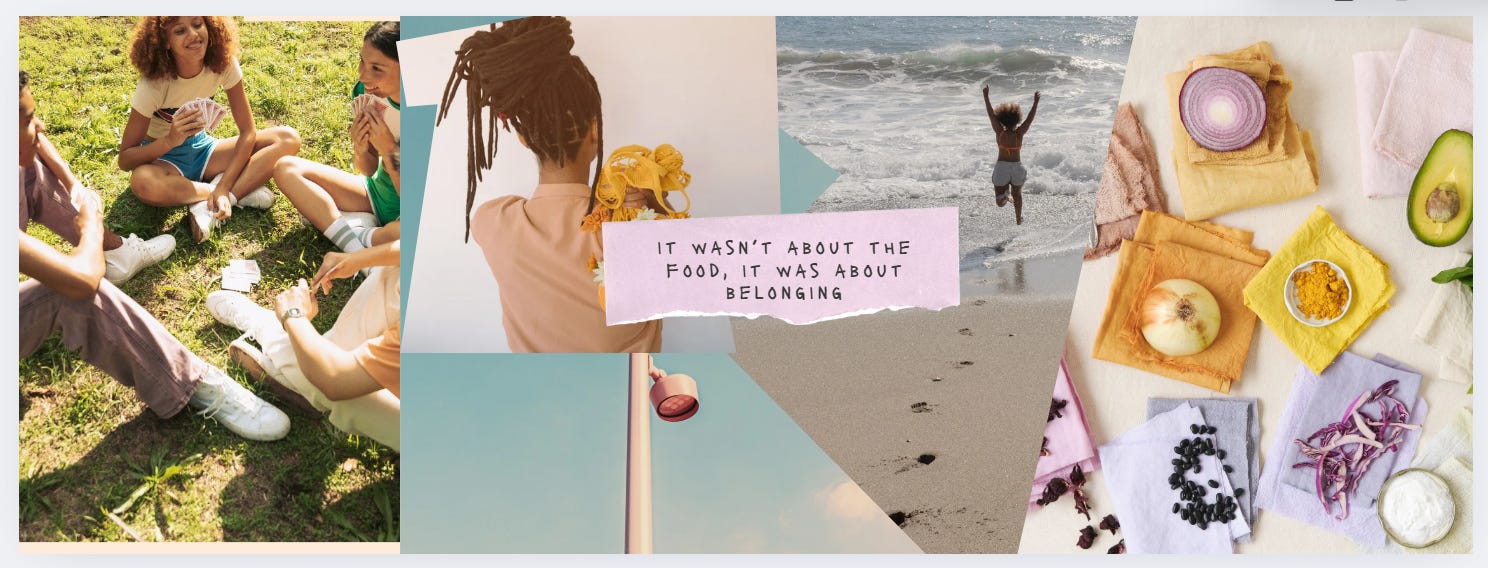
As much as I genuinely appreciated the come-back, I declined the invite because the issue wasn’t lunch. It was belonging.
As a single, never-been-married adult without kids, I’ve seen this pattern play out over and over.
Friends don’t mean to exclude, but bias often hides in “harmless” assumptions:
“She wouldn’t fit in, it’s just families.”
“She’d be the only single one.”
“She might feel awkward.”
But hey, adults (parents) show up for kid parties all the time. We buy the gifts, eat the cake, clap for the games, watch the kids. So why can’t singles (never-married, with no-kids) be included when the grownups gather too?
The barren1 woman, the single woman, the widowed man: they’re often left outside the social structures that once held them. The divorced and separated ones sometimes get a pass, because they were once “in,” and thus still “qualify.” And yet, we all need the same thing: connection.
But I digress…
We can exonerate individuals for their unintended biases, but if any place should model belonging, it should be the church.
But even there, single adults often slip between the cracks. Too old for the “young adults,” too unmarried for the “men’s” or “women’s fellowships.” Who’s fault is it anyway that an accomplished professional is still single? The silent judgment is everywhere. So much for the church being a safe haven.
In 2018, with a little nudge from my therapist, I decided to stop waiting to be included.
I created a small group for my unmarried-at-the-time female friends. I figured, if this need to belong exists in Mee, it must exist in someone else too.
It did, based on feedback …and by my standards : )
The group flourished. There was so much laughter, healing, honesty, and friendship.
By 2020, following another mental health episode (deTALEs later), I created a co-ed group for single adults of all kinds: separated, divorced, widowed, never-married.
This year, we decided to scale.
We launched an app to bring single adults together; not for dating (though love stories are welcome), but for connection. For community.
Because belonging shouldn’t be a privilege reserved for couples or parents.
It’s a human need; a mental health need.
And maybe, just maybe, the next time someone’s left off a guest list,
we’ll pause long enough to ask: “Who else might need a seat at this table?”
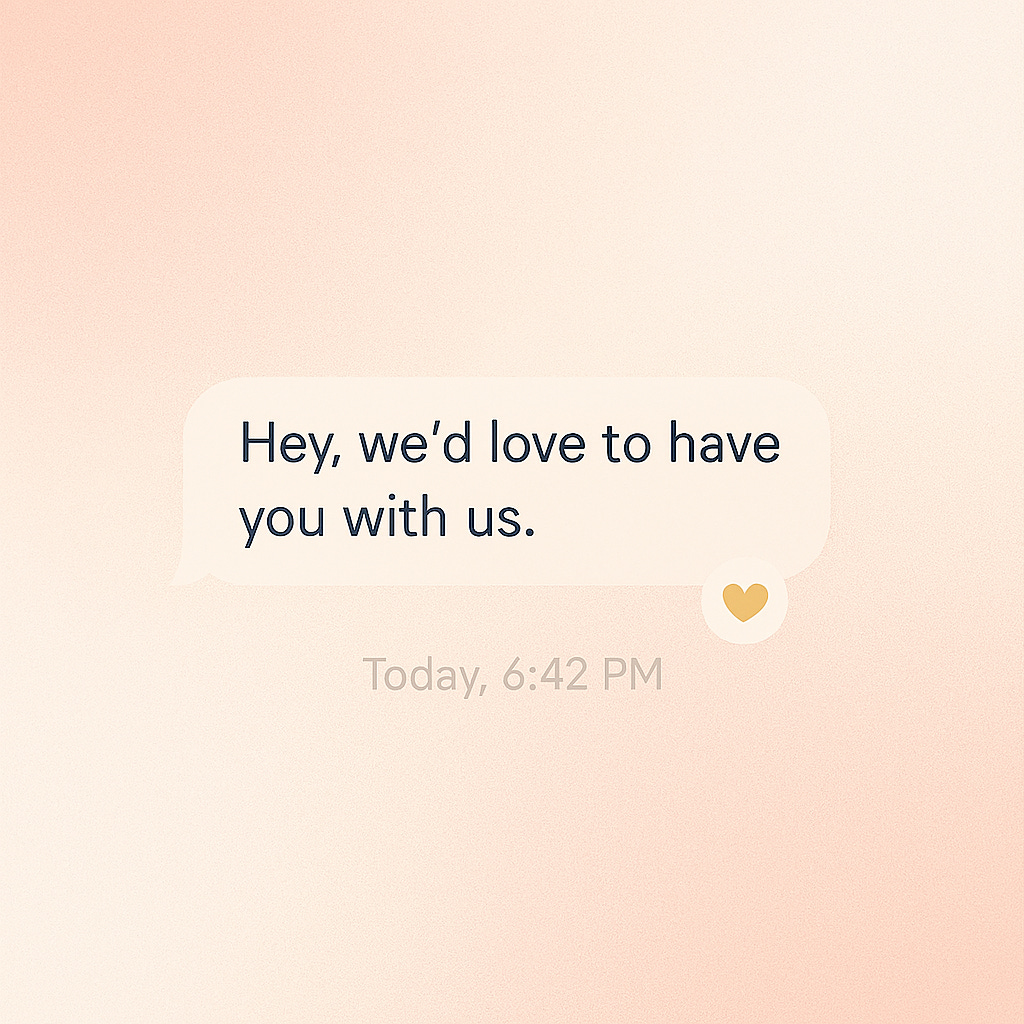
As we move through another year past World Mental Health Day, I invite you to pause and notice who’s missing from your table, and why.
Belonging begins with awareness, but it grows through intention.
💬 I’d love to hear your experiences.
- Have you ever felt quietly excluded?
- Or learned to include differently?
Please sh-AIR in the comments; your story might just help someone feel seen.
https://uberbarrens.club/blog/metrobarren
https://metro.co.uk/2019/07/31/women-reclaiming-word-barren-talk-fertility-issues-10284278/


Please shAIR Your Thoughts :-)